
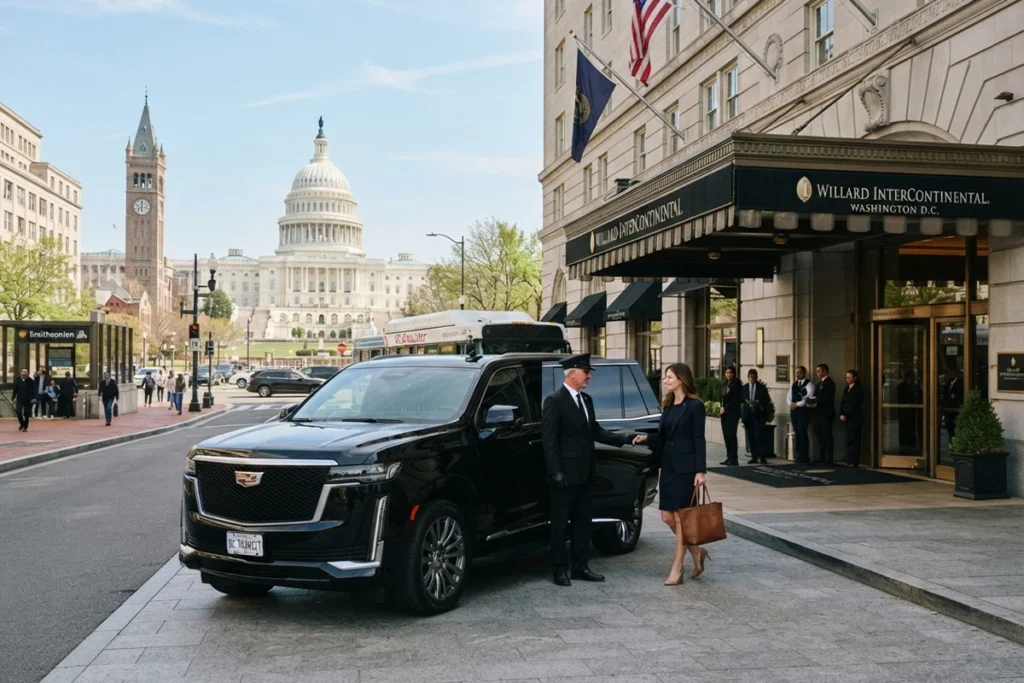
You land in Washington, DC, grab your bags, and open the map to check the ride to your Hotels in Washington DC.That is the moment most trips get decided, before you even reach the front desk. And here is the one thing that changes everything: the best hotels in Washington, DC, are close to a Metro station, not close to a famous landmark. Pick your neighborhood by train access first, and the rest of your trip falls into place on its own: lower costs, shorter waits, and more hours spent seeing the city instead of stuck in traffic.
This guide breaks the city down block by block. It names a few standout hotels along the way, and shows you how to get from the airport to your room without stress. By the end, you will know exactly where to book.
Why the Right Spot Matters More Than the Room
Most people choose a hotel by photos. The bed looks soft. The lobby looks bright. Then they arrive and realize the nearest train stop is located twenty minutes away on foot.
Washington DC, gets hot in summer. It gets crowded during big events. The wrong location turns a fun weekend into a tiring one. You end up spending more on rides than you planned, and you lose hours you could have spent seeing the city.
Think of your hotel as your home base. Everything you do each day starts and ends there. A smart pick means less waiting, less walking in bad weather, and more time doing what you came for.
Getting to Know the Metro System
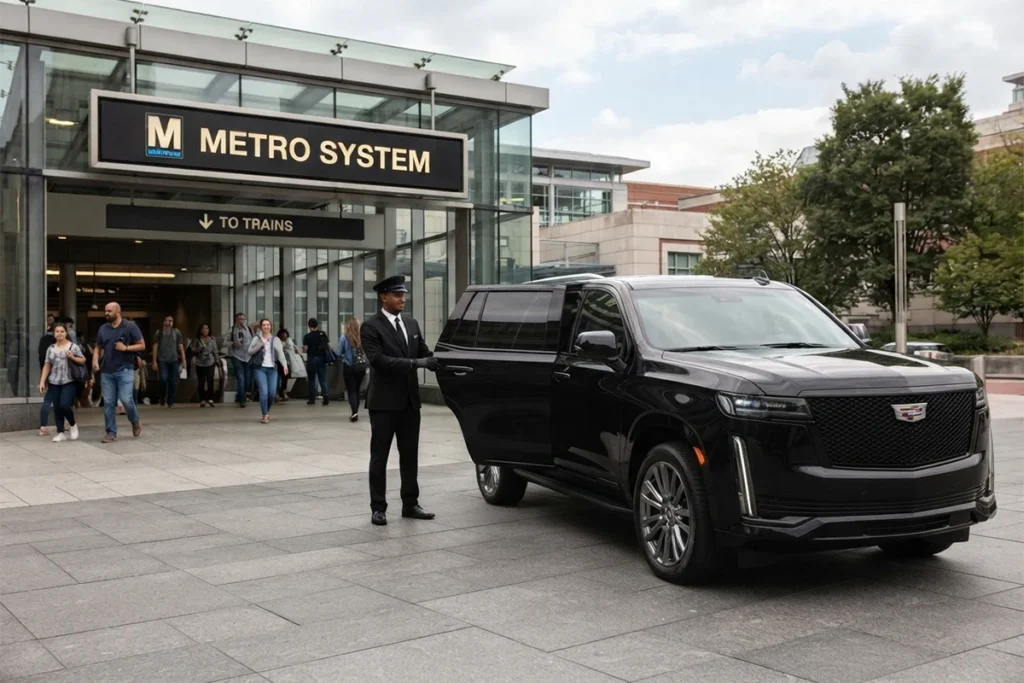
The city runs on a train network called the Metro. Six lines cross our location, each marked by a color. Trains meet at a few busy stops downtown, and those hubs connect you to almost anywhere you want to go.
Trains run often during the morning and evening rush. Outside those hours, you wait a bit longer, but never too long. The one catch: the system closes at midnight on weeknights and one in the morning on weekends. Plan your late dinners with that in mind.
Best Neighborhoods to Base Your Trip
Not every part of the city offers the same ease. Some areas are steps from a station. Others leave you calling a cab every time you step outside. Here is how the main areas compare, along with a standout hotel in each one.
Capitol Hill: History on Quiet Streets
This area feels like a real neighborhood, not a government district. Rowhouses line quiet streets, and a weekend market fills the sidewalks with fresh food and local goods. The Capitol building, the Supreme Court, and the Library of Congress all face within walking distance.
Union Station anchors this part of town. From here, a Red Line train links you to the busiest hubs downtown in a few short stops. If you plan a side tour to Alexandria, Virginia, a quick trip south gets you to its cobblestone streets in under twenty minutes.
Evenings here stay calm. If you want late night energy, look elsewhere. If you want charm and easy mornings, this area delivers.
Phoenix Park Hotel: The Local Favorite by Union Station
This hotel is located right across from Union Station, which means a Red Line train, an Amtrak platform, and two commuter rail lines all be based within a two minute walk. An Irish pub inside the building has served Capitol Hill staffers since the 1970s, so the lobby carries real neighborhood history rather than a generic chain feel.
Downtown and Penn Quarter: The Heart of the Action
This is the heart of the action. Museums, theaters, and the western half of the National Mall are located within a short stroll. Two of the busiest stops in the entire system meet here, so almost every part of the city stays within one train change.
Rooms here cost more than other areas, especially during busy months. But for a first visit, the ease you gain often outweighs the extra cost. You will spend less time figuring things out and more time enjoying the tour.
AC Hotel Washington DC: Built for the Convention Crowd
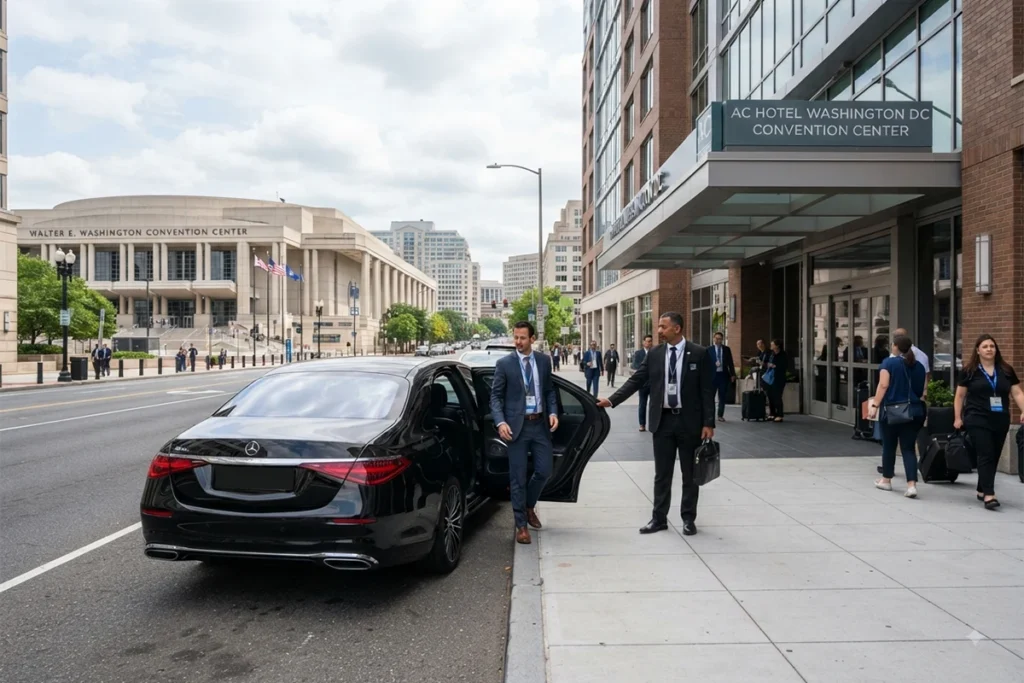
Set beside the Convention Center, this hotel is located between two Metro hubs, so you can reach the transit hub, Dupont Circle, or the airport without changing trains more than once. It suits conference attendees who need a quick, no fuss stay between meetings.
Dupont Circle: Small Cafes and Real City Life
One quick stop north of downtown is a neighborhood full of small cafes, bookstores, and tree lined streets. It feels lived in rather than built for tourists. Boutique Hotels in Washington DC here tend to have more character than the large chains near the convention center.
Prices lie a notch below downtown, and the walk to most attractions stays reasonable. This area suits anyone who wants city life alongside sightseeing.
The Dupont Circle Hotel: Neighborhood Charm, Short Walk to the Trains
Just a few steps from the Dupont Circle station, this hotel puts you inside a stretch of independent restaurants and bookshops. Rooftop views and a relaxed pace make it a favorite for travelers who want the city to feel lived in rather than staged.
Foggy Bottom: The Practical Choice Nobody Talks About
Overlooked by most guides, this small neighborhood offers real practical value. A hub on three train lines is placed right at its edge, connecting you downtown in minutes and out to Dulles Airport through a direct rail link.
The Kennedy Center is a short walk away, and the Lincoln Memorial is close enough for an evening stroll along the water. Some hotels here offer full kitchens, which helps if you plan to stay several nights and want to skip a few restaurant bills.
Georgetown is positioned nearby too. No train stop serves that neighborhood, a decision made decades ago that still puzzles locals. A short bus transfer or a fifteen minute walk from Foggy Bottom gets you there easily.A private car service is a good option to go there.
State Plaza Hotel: A Kitchen, a Kennedy Center View, and a Straight Shot to Dulles
Most rooms here come with a kitchenette, which changes the math on longer stays since you can cook a few meals instead of eating out every night. The Foggy Bottom Metro point lies steps away, and the Silver Line runs straight through to Dulles Airport with no shuttle bus needed.
The Wharf: Water Views and a Slower Pace
Along the river, a newer stretch of restaurants, live music venues, and waterfront has grown fast over the past few years. This area suits travelers who want water views and a slower evening pace after a busy day of sightseeing.
A short journey connects the Wharf to downtown, and taxis or private transportation handle the gap well since no hub is closed directly on location yet.
InterContinental Washington D.C. – The Wharf: A Room With a River View
This hotel faces right on the water, with restaurants and a live music pier steps from the front door. It fits travelers who want a calm evening by the river rather than the noise of downtown, though a short drive is worth budgeting since the nearest train stop is just a few blocks away.
Navy Yard and National Harbor: Built for Game Days and Conferences
Baseball fans and convention visitors often land here. Navy Yard adjoins the river near the stadium and has grown into a lively area with breweries and river walks. National Harbor, just across the water in Maryland, hosts large conferences and offers resort-style hotels with pools and event space.
Both areas work best if your tour centers on an event rather than the classic monuments and museums.
Homewood Suites Navy Yard: Steps From the Stadium
Families and groups heading to a game often pick this spot, since full kitchens and extra rooms make it easy to settle in for a few nights. The Navy Yard Ballpark Metro connection is close by, and the walk to the stadium takes just a few minutes.
Luxury Stays Near the White House
A handful of well-known hotels lie within blocks of the White House. These properties come with a higher price tag, but they place you at the center of the city’s history. The Hay Adams looks straight across at the White House lawn. The Willard Intercontinental has hosted presidents and dignitaries for well over a century. The Waldorf Astoria offers a more modern take on the same historic block. Expect marble lobbies, fine dining, and staff who know the neighborhood inside and out. These rooms suit special occasions, anniversaries, or anyone who wants to feel the weight of the city’s story firsthand.
Cheap Hotels in Washington DC: What Budget Travelers Should Know
Finding affordable hotels in Washington, DC takes a bit of strategy. The city center runs expensive most of the year. But crossing the river into Virginia often cuts your nightly rate by a fifth or more, without adding much extra time.
Areas like Rosslyn, Crystal City, and Pentagon City are based on train lines with direct, no our services into the city. Crystal City in particular stands one stop from the airport, making it a smart base for anyone flying in and out.
Timing helps too. August brings quieter streets and lower prices, since lawmakers head home and tourist crowds thin out. Spring, especially cherry blossom season, brings the opposite: higher rates. Book early if your dates fall in that window..
Getting In From the Airport
Three airports serve the city, and each one changes your plan slightly.
Reagan National is located closest, with a train connection right at the terminal. It links straight into downtown in about twenty minutes.
Dulles International is based farther out, but a direct rail line now connects it to the city center in under an hour. Before that line opened, travelers needed a shuttle bus just to reach a station.
BWI, up near Baltimore, takes the most effort. A short train travel brings you into a major transportation hub, where you switch to the Metro for the final leg.
Metro, Rideshare, or a Private Car: What Actually Makes Sense
Once you land, you have three real choices for getting to your hotel and around the city. Here is how they stack up against each other.
| Option | Price | Late Night Access | Luggage Help | Best For |
| Metro | Lowest cost | Closes at midnight/1 AM | None | Budget trips, daytime travel |
| Rideshare | Unpredictable, can spike | Available, but wait times vary | Minimal | Short, casual trips |
| Private Car Service | Fixed rate, known upfront | Always available | Full assistance | Airport runs, groups, events, late arrivals |
Two Travelers, Two Different Nights
One person landed at Dulles during a summer storm last year. Every rideshare price on her screen had tripled, and no driver would accept the drive. She waited forty minutes in the rain before one finally showed up.
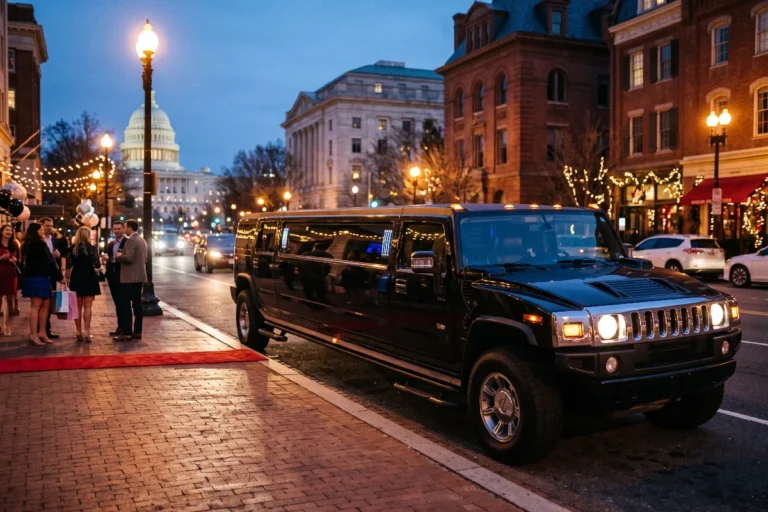
Compare that to a coworker who booked a private car for her cousin’s prom night in DC last spring. The driver arrived early, handled every stop for photos along the Mall, and got the whole group to the venue calm, on time, and stress-free.
Many companies offer solid car service in Washington DC today. Like Car Service Washington DC stands out for prom nights, group outings, and late night drives done right, every single time.
Why People Choose Car Service Washington DC
Stories like that are exactly why more travelers now book a private ride before they even leave home. Car Service DC builds its whole approach around removing that kind of stress from your journey.
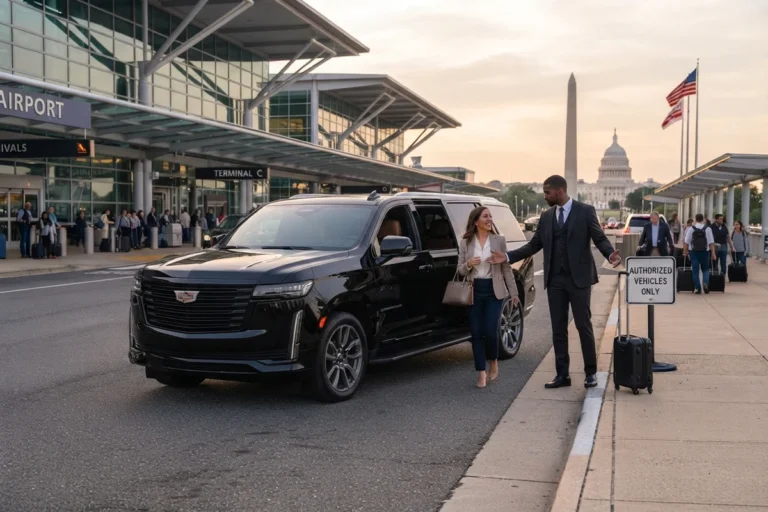
A chauffeur tracks your flight and waits for you, even if your plane lands late. Your price stays fixed from the moment you book, so a storm or a busy evening never changes what you pay. Every driver knows the city well, from the fastest route around a Capitol Hill motorcade to the quietest way into Georgetown.
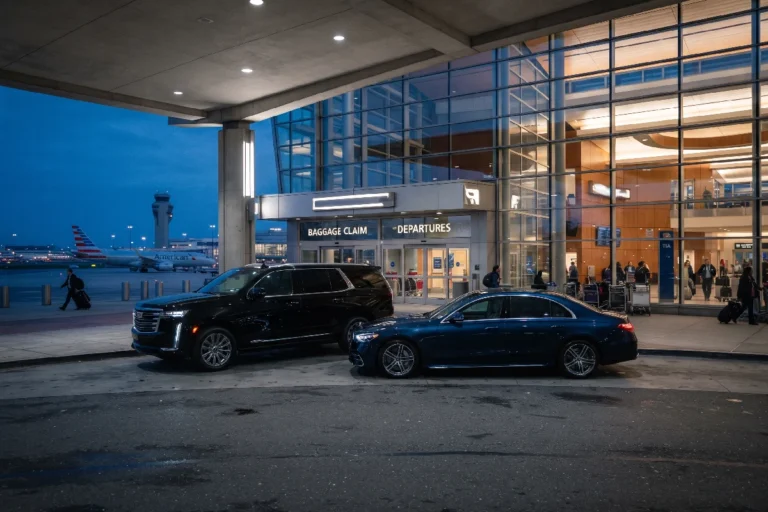
You also skip the awkward wait at a rideshare pickup zone with your bags. A driver meets you right at the door, helps load your luggage, and gets you moving without delay.
Our Services: A Ride for Every Kind of Trip
Car Service DC covers far more than a simple airport run. Each service is built around a specific kind of stay, so you always book the vehicle that actually fits your day.
Black Car and Private Car Service
The black car service gives you a polished, professional transport for meetings, dinners, or any outing that calls for a bit more presence. The private car service covers everyday travel around the city, from a museum morning to a late dinner reservation.
Executive and Corporate Transportation
Business travelers rely on the executive car service and corporate transportation options for meetings, conferences, and client pickups that need to run on time. Drivers track your schedule closely, so you never sit and wait when a meeting runs long.
Long Distance Car Service
Long distance car service handles trips outside the city, whether that means a day adventure to Alexandria, a run out to the suburbs, or a longer journey to a nearby state. You skip the parking search and the unfamiliar roads entirely.
VIP, Prom, and Hourly Limo Service
For special occasions, the lineup includes VIP celebrity car service, prom limo service, and hourly limo service for events that call for a bit more style. Whatever brings you to Washington DC, there is a car built for that exact escape.
Our Fleet: Vehicles Built for Comfort and Reliability
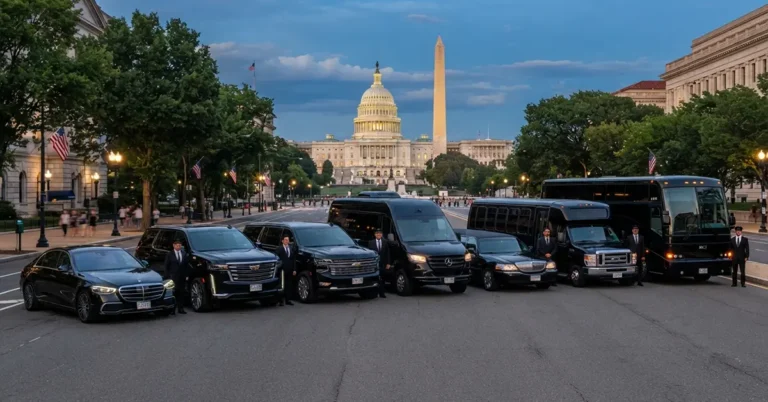
A good ride starts with a good vehicle, and Car Service DC keeps a fleet built for comfort and reliability. Every vehicle gets checked and cleaned before each journey, so you step into a transfer that feels fresh, not worn down from the last passenger.
| Vehicle | Best For | Typical Capacity |
| Black Sedan | Solo travelers, couples, airport runs | 1 to 3 passengers |
| SUV | Families, extra luggage, small groups | 4 to 6 passengers |
| Sprinter van | Businesses,corporate travelers | 12 to 15 passengers |
| Stretch Limo | Weddings, proms, celebrations | 8 to 20 passengers |
| Mini Bus | Seesighting,multiple stops,small groups | 20 to 24 passengers |
| Charter bus | Large groups,corporate travelers | 55 to 56 passengers |
A Heads Up for 2026 Travelers
Washington DC will host matches during the 2026 World Cup, and that changes the usual booking rules. Hotels near the stadium areas and downtown will fill up faster than a normal year, and rates will climb well ahead of the actual event dates.
If your journey lands anywhere near the tournament schedule, book your room and your ground transportation months in advance. Waiting until the last minute could leave you searching far outside the city, with a long voyage into every game or event.
Final Thoughts
Most travelers pick a hotel by price and photos alone. The ones who enjoy their ride the most look at one more thing first: how easily that Hotels in Washington, DC connects to the rest of the city. Map out your plans, check the nearest station, and then pick your room. Once your flight lands, the last piece of the puzzle is the transport from the airport to your door. A private car service takes that worry off your plate, so your trip starts calm instead of rushed.
Need a reliable ride in Washington, DC? Book our professional transportation service today for safe, comfortable, and on-time travel. Call us at (571) 521-3094 to reserve your ride or get a free quote.